
Why Ink Coverage Matters on Custom Printed Greaseproof Paper
Learn how ink coverage, flood coating, large logo areas, and artwork choices can affect drying time, odor, and transfer on custom printed greaseproof paper.
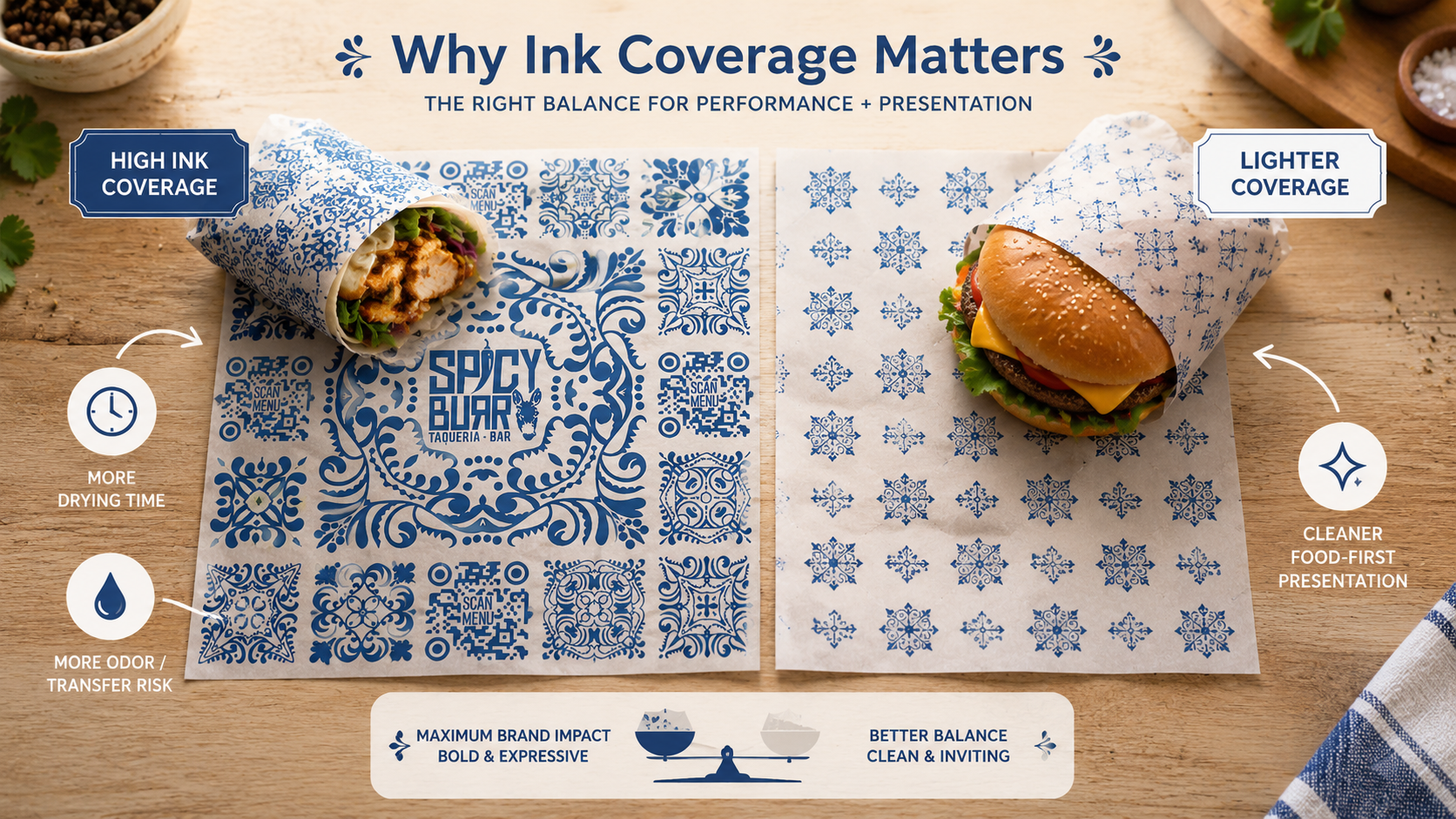
Why Ink Coverage Matters on Custom Printed Greaseproof Paper
Custom printed greaseproof paper is one of the easiest ways to make burgers, sandwiches, fries, pastries, and deli items feel more branded. But the way artwork is printed matters just as much as the logo itself.
Ink coverage, color choice, logo size, and design layout can all affect how the finished paper dries, smells, and performs around food. That is especially important when the paper is being used for wraps, basket liners, sheets, or takeout presentation.
What Is Ink Coverage?
Ink coverage simply means how much of the paper is covered by printed ink.
A small repeating logo pattern usually has lighter coverage because the design is spread across the sheet with open space between each mark. A flood coat, large solid logo, or dark full-sheet design uses much more ink in one area.
Both design styles can look good, but they do not behave the same way.
Why Heavy Ink Coverage Can Need More Drying Time
Artwork with full ink coverage, flood coating, or large solid ink areas may require additional drying time before dispatch. This is normal for high-coverage custom printing.
The more ink placed onto the paper, the more time the sheet may need before it is ready to be packed, shipped, and used. Dark colors, bold artwork, and large printed areas can all affect drying behavior.
This does not mean the product is defective. It means the artwork has a heavier ink load and may need extra time to settle properly.
Why Some Ink Odor Can Happen
We use vegetable-based, food-safe inks for custom printed greaseproof paper. However, certain ink colors and high-coverage designs may have a slight ink odor after printing.
This is more likely with darker colors or artwork that uses a lot of ink. In many cases, the odor becomes less noticeable as the paper airs out, but customers should understand that some odor can be part of the printing process for high-coverage designs.
Why Minor Ink Transfer Can Happen
Ink performance can vary depending on color, coverage, paper style, and artwork. Heavy ink coverage may increase the chance of minor ink transfer, especially if the printed area is large, dark, or concentrated in one spot.
That is why lighter repeating patterns are often a smart choice for food-service paper. They give strong branding without putting too much ink in one area of the sheet.
Repeating Patterns vs. Large Solid Logos
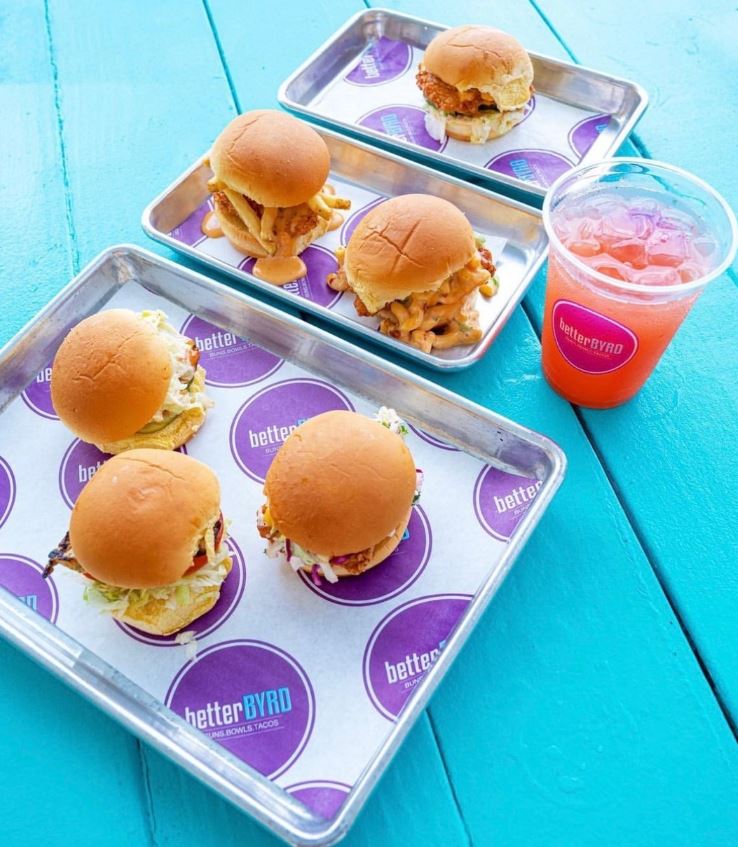
A large logo can look bold on a flat proof, but food paper rarely stays flat. It gets folded, wrapped, tucked into baskets, covered by food, and handled by customers.
A smaller repeating logo pattern often works better because the brand remains visible even when part of the paper is folded or hidden. It also spreads the ink across the sheet instead of concentrating it in one heavy area.
For many restaurants, delis, bakeries, and food trucks, repeating patterns offer the best balance between branding and clean food presentation.
Artwork Tips for Better Results
When preparing artwork for custom printed greaseproof paper, consider using repeating logos or icons instead of one oversized logo. Avoid large solid dark areas when possible, and leave enough open space so the design does not overpower the food.
Think about how the paper will look when folded, wrapped, or used as a basket liner. Choose ink colors carefully, especially for high-coverage designs, and keep the food as the visual focus.
The best custom paper does not bury the food. It supports the presentation while keeping your brand visible.
Setting the Right Expectations
Custom printed greaseproof paper is a printed food-service packaging product. Because ink performance can vary by color, coverage, and artwork, heavy ink coverage may affect drying time, odor, and transfer.
By choosing a smart design approach, customers can reduce these risks and create a cleaner, better-looking final product.
Final Takeaway
Custom printed greaseproof paper should make food look better, not compete with it. Ink coverage matters because the paper touches the food, frames the meal, and carries the brand into the customer hands.
For most food-service designs, a lighter repeating logo pattern is a strong starting point. It keeps branding visible, helps the food stay prominent, and avoids the visual heaviness of large solid ink areas.
Frequently Asked Questions
What does ink coverage mean on greaseproof paper?
Ink coverage refers to how much of the sheet is covered by printed ink. Smaller repeating marks usually create lighter coverage than flood coating or one large solid logo.
Does heavy ink coverage affect drying time?
It can. Full-sheet artwork, dark colors, and large solid ink areas may need additional drying time before dispatch.
Can high-coverage artwork create ink odor?
Certain colors and high-coverage designs may have a slight ink odor after printing. That odor often becomes less noticeable as the paper airs out.
Is minor ink transfer possible?
It can happen depending on color, coverage, paper style, and artwork. Heavier coverage may increase the chance of minor ink transfer, which is why lighter repeating patterns are often preferred.
What artwork style usually works best?
For many food-service designs, smaller repeating logo patterns are a strong starting point because they keep branding visible without concentrating too much ink in one area.
Ready to Design Custom Greaseproof Paper?
Choose a print approach that supports your food, your brand, and your customer experience. Start with a clean pattern, smart ink coverage, and a paper style that fits your restaurant, deli, bakery, or food truck.
View Custom Print Options